

Wall Decoration with Photographic Art: Turning Walls into a Statement
- Fabian Kimmel

- Nov 23, 2025
- 2 min read
Why Photographic Art Works on Walls
Photographic art is one of the most effective ways to transform rooms quickly and sustainably—without renovation, just with carefully selected motifs and formats. Well-placed wall art creates atmosphere, sets accents, and tells your personal story.Limited editions in particular retain their collector’s value and feel like curated artworks rather than interchangeable decorations.

The First Step: Analyze Mood and Space
Before hanging a piece, take a clear look at the room:
How does the light fall? warm or cool?
Which colors already dominate in furniture, textiles, and flooring?
Should the room feel calm or lively and urban?
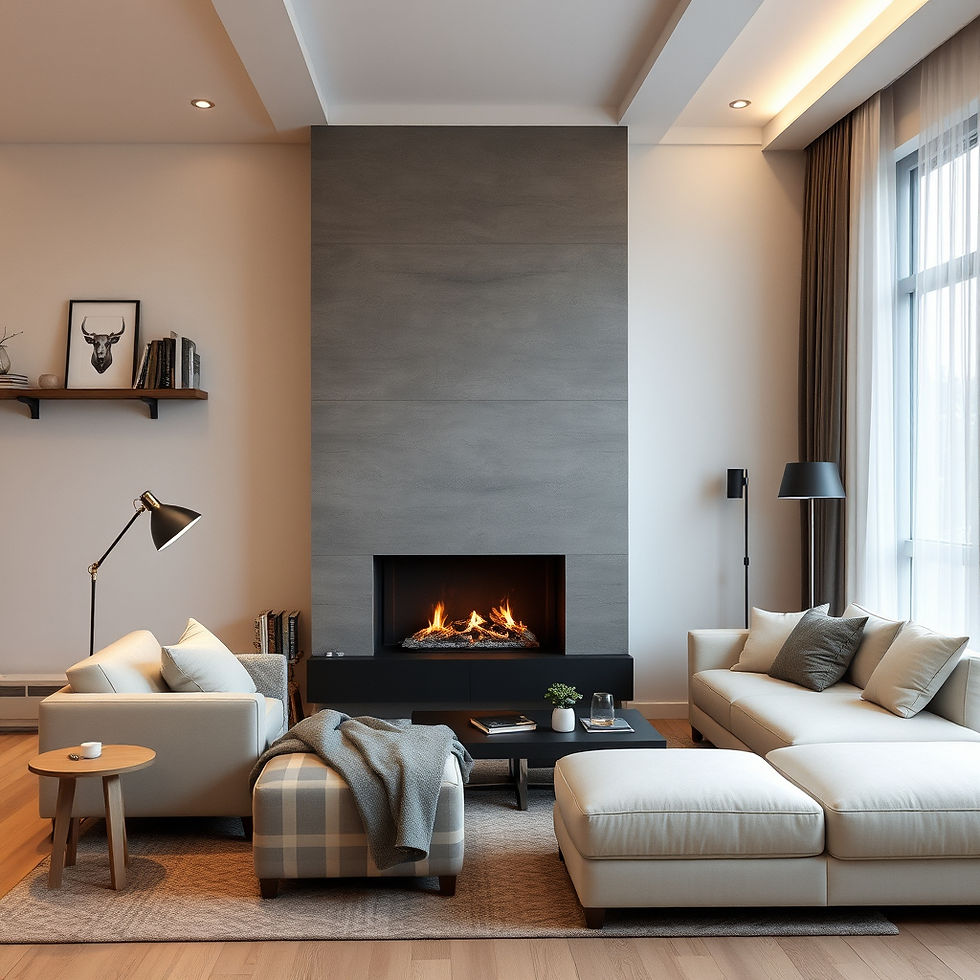
In a minimalist living room, a single large-format New York motif can define the space, while smaller series bring rhythm and structure to hallways or workspaces.
Choosing Motifs: New York, Mallorca & More
The choice of motifs determines the emotional impact of your wall decoration:
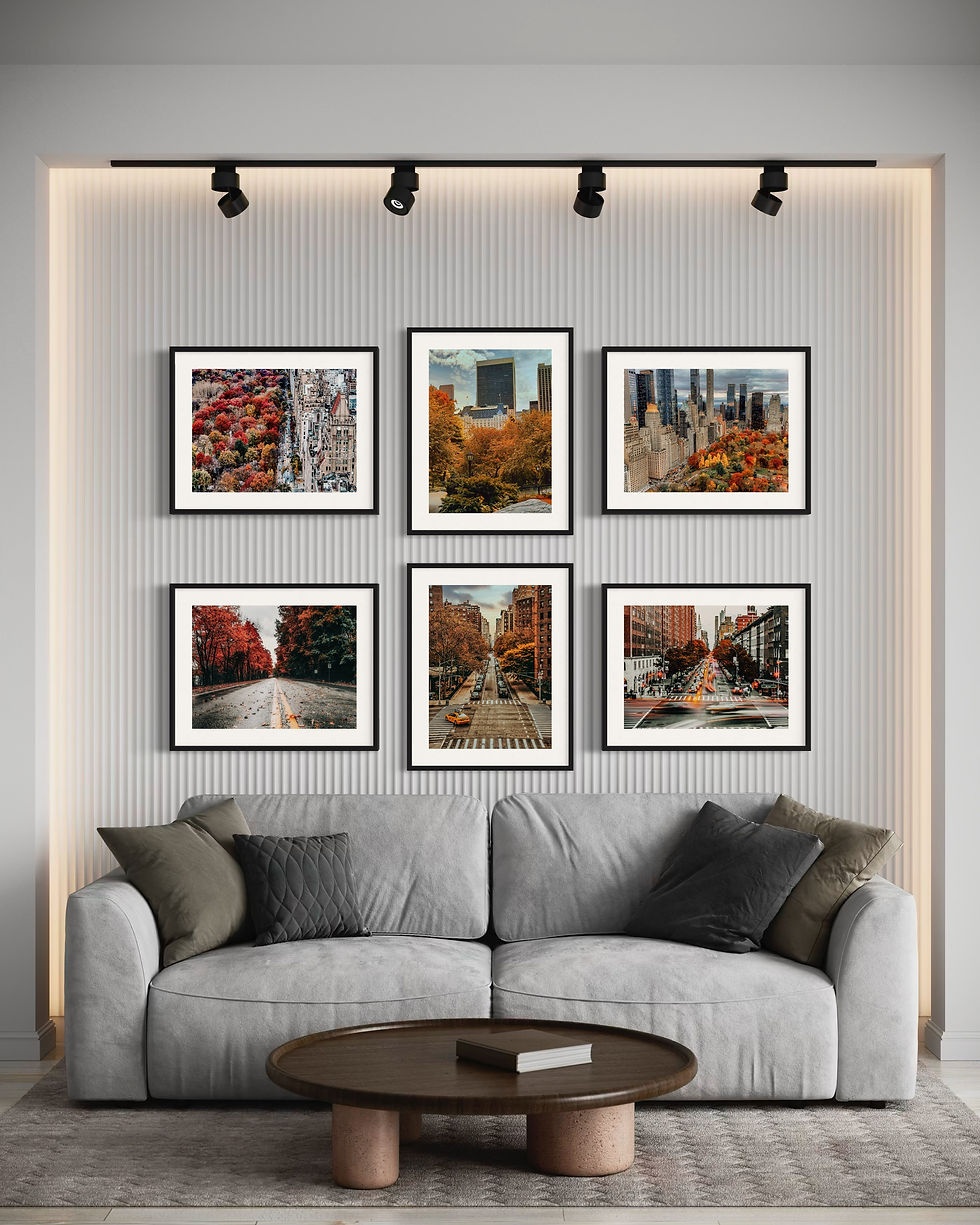
Urban & dynamic: New York series like "Colors of the City" or "Streets of the City" bring energy, architecture, and city light to your walls.
Mediterranean & relaxing: Mallorca series such as "Into the Sea" or "The Riff & The Sea" create a calm, maritime atmosphere—perfect for bedrooms or living areas.
Seasonal accents: Autumnal series like "New York Fall Views" add warmth and depth without overwhelming the room.
Combining different series deliberately can create exciting contrasts, such as urban New York scenes paired with tranquil coastal motifs.

Sets Instead of Single Images: Planning Gallery Walls
Curated sets designed as a series are especially harmonious.
6-print sets offer clear structure and work perfectly above sofas, sideboards, or beds.
Uniform formats and visual language simplify planning a gallery wall and create a professional look immediately.
Tip for hanging:
Arrange frames evenly spaced (e.g., 3–5 cm apart).
Choose a common reference line—such as the top edge or center at eye level (approx. 1.55–1.65 m).
Format, Material, and Quality
The impact of an image depends not only on the motif but also on material and craftsmanship.
Gallery quality ensures brilliant colors, fine details, and durability, especially important for photographic art.
High-quality papers and precise printing create depth unattainable with cheap posters.
Limited editions (e.g., 25–50 pieces) guarantee exclusivity and make every wall decoration a small personal art investment.

Zoning Spaces with Photographic Art
Photographic art can define zones in a room—ideal for open living concepts or home offices:
Work area: Clear lines, architecture, and city views support focus and productivity.
Reading nook or sofa: Soft colors, nature, or sea motifs create calm and invite relaxation.
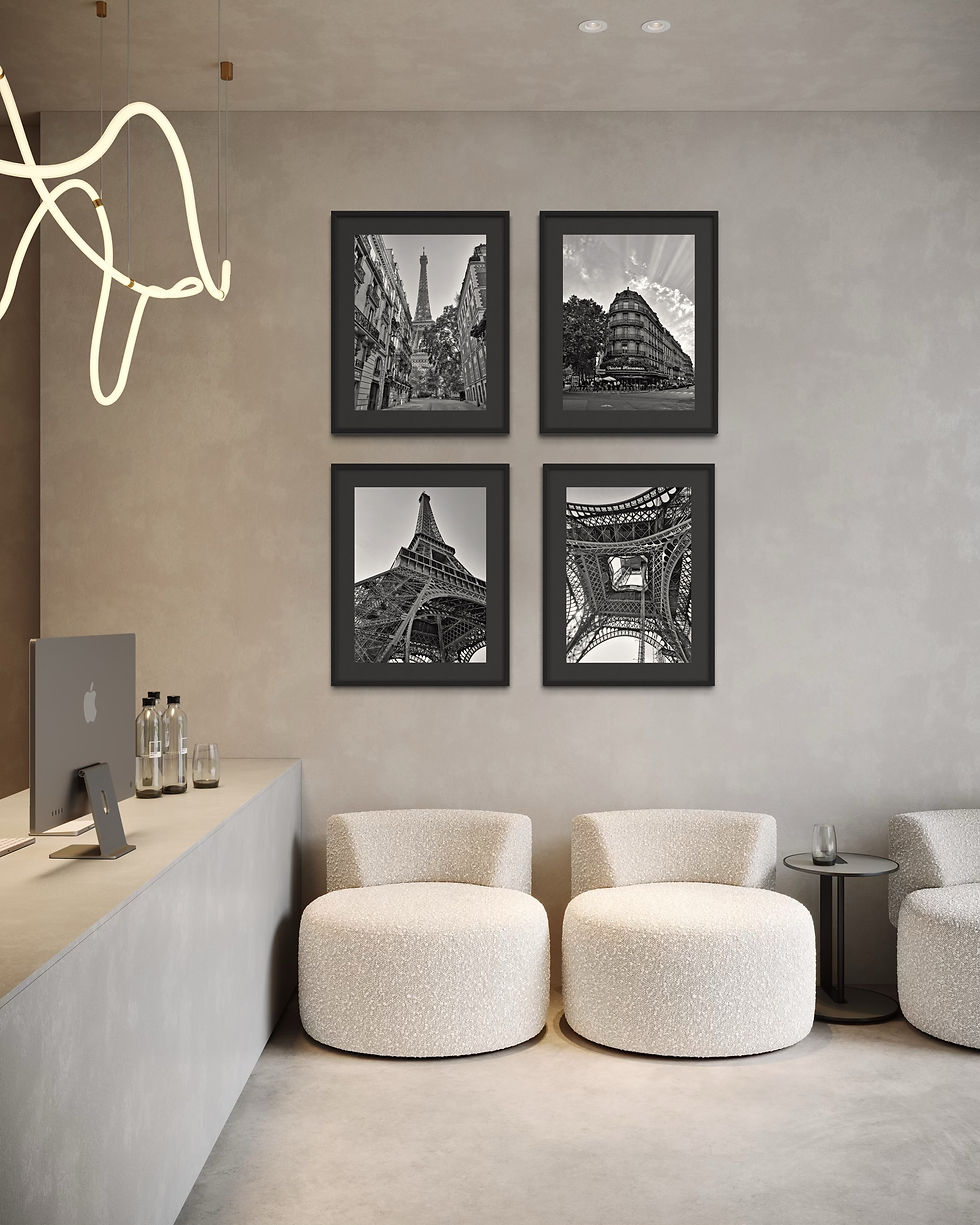
Hallway & entrance: Series in sequence guide the eye and lead guests visually through the home.
Choosing motifs and formats consciously makes the entire home feel like a thoughtfully curated artistic concept rather than a random collection.
Practical Tips for Implementation
Lay out first, then hang: Arrange images on the floor before drilling to test the layout.
Create a color anchor: Choose motifs that pick up a color from the room (cushions, rugs, curtains).
Dare to go big: Over sofas or beds, larger pieces work well, too small images often look lost.
With curated photographic art series, high-quality materials, and limited editions, walls become more than decoration, they become designed, personal, and artistically distinct statements.


Comments